Friday, August 8, 2025

The Sound of Power: A Deep Dive into Triode vs. Ultralinear Tube Amp Outputs

The Sound of Power: A Deep Dive into Triode vs. Ultralinear Tube Amp Outputs

The Sound of Power: A Deep Dive into Triode vs. Ultralinear Tube Amp Outputs

Introduction: The Heart of the Tube Amp Sound

In an era dominated by digital precision and solid-state efficiency, the vacuum tube amplifier persists as an object of fascination and desire for audiophiles worldwide. Its enduring appeal lies not in perfect measurements, but in its ability to reproduce music with a characteristic warmth, richness, and emotional engagement that many find uniquely compelling. This "tube sound" is the product of a complex interplay of components, but no single part of the amplifier is more critical to shaping its final voice and performance than the power output stage.

This is where the delicate, low-level audio signal is transformed into a potent force capable of moving the cones of a loudspeaker to create sound. It is the heart of the amplifier, defining its power, its control, and much of its sonic character. For many of the most popular and versatile modern tube amplifiers—especially those built around powerful pentode or beam tetrode tubes like the iconic KT88, EL34, or 6L6—designers and listeners are presented with a fundamental choice between two primary modes of operation: Triode and Ultralinear.

This choice is not merely a technical footnote; it represents a philosophical fork in the road of audio reproduction. One path prioritizes sonic purity and textural nuance, while the other champions power and dynamic authority. This article will demystify these two modes, exploring their historical origins, technical underpinnings, and profound impact on the listening experience. By comparing their strengths and weaknesses, we will unravel the trade-offs involved, helping you understand which sound of power might be right for you.
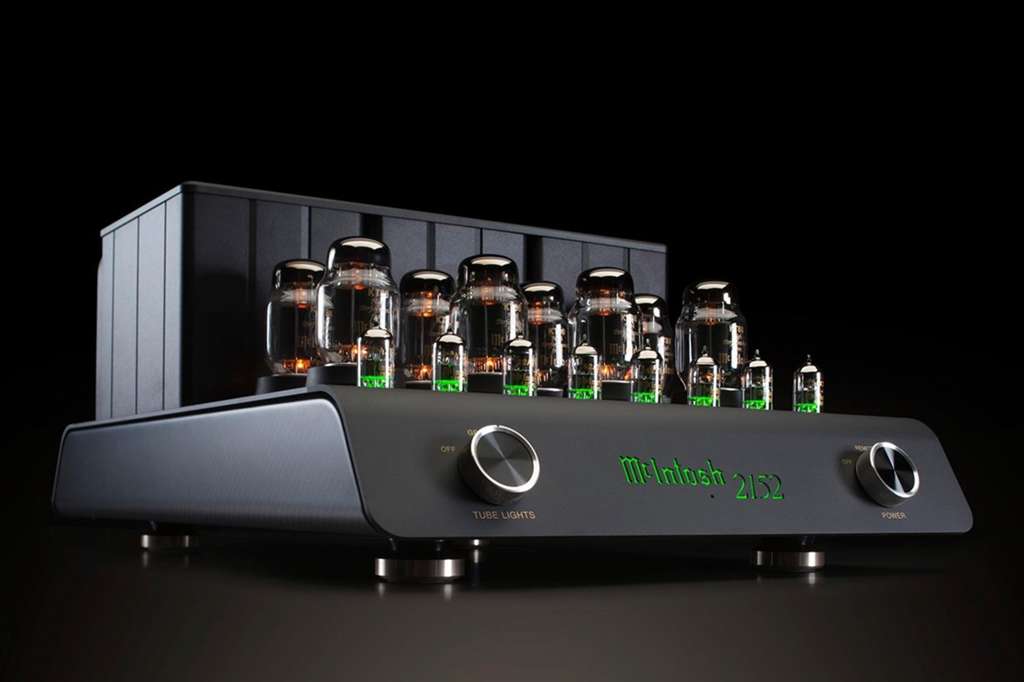
High-end tube amplifier
The glowing tubes of a modern high-fidelity amplifier, such as this McIntosh MC2152, are central to its sonic character and aesthetic appeal

The Foundations: A Quick Look at the Output Stage

Before we can compare Triode and Ultralinear operation, it's essential to understand the components and principles at play. The magic of these modes happens within the output stage, a circuit whose design philosophy starts at the speaker and works its way backward to the tubes themselves .

The Role of the Output Stage

In the simplest terms, the output stage is the muscle of the amplifier. The journey of an audio signal begins at a source like a turntable or DAC, where it is a very weak electrical signal. The preamplifier (or input/driver stage of an integrated amplifier) boosts this signal's voltage, but it still lacks the electrical current needed to do the physical work of moving a speaker cone back and forth. The output stage's job is to take this amplified voltage signal and add significant current, creating the power (measured in watts) required to drive the demanding, reactive load of a loudspeaker .

The Tubes at the Center

The type of vacuum tube used in the output stage is the primary determinant of its potential. While countless variations exist, the choice between Triode and Ultralinear modes hinges on the evolution from the simplest amplifying tube to more complex and powerful designs.

The Triode: Purity in Simplicity

The triode is the original and most fundamental amplifying vacuum tube. As its name suggests, it contains three primary electrodes within its glass envelope: a cathode that emits electrons when heated, a plate (or anode) that collects them, and a control grid in between that modulates the flow of electrons . By applying the small audio signal to the grid, a much larger replica of that signal is produced at the plate. Triodes, like the legendary 300B or 2A3, are celebrated for their inherent linearity. They amplify with very low distortion, producing a sound that is often described as pure, natural, and musically consonant. However, their elegant simplicity comes with a significant drawback: they are relatively inefficient and produce very little power.
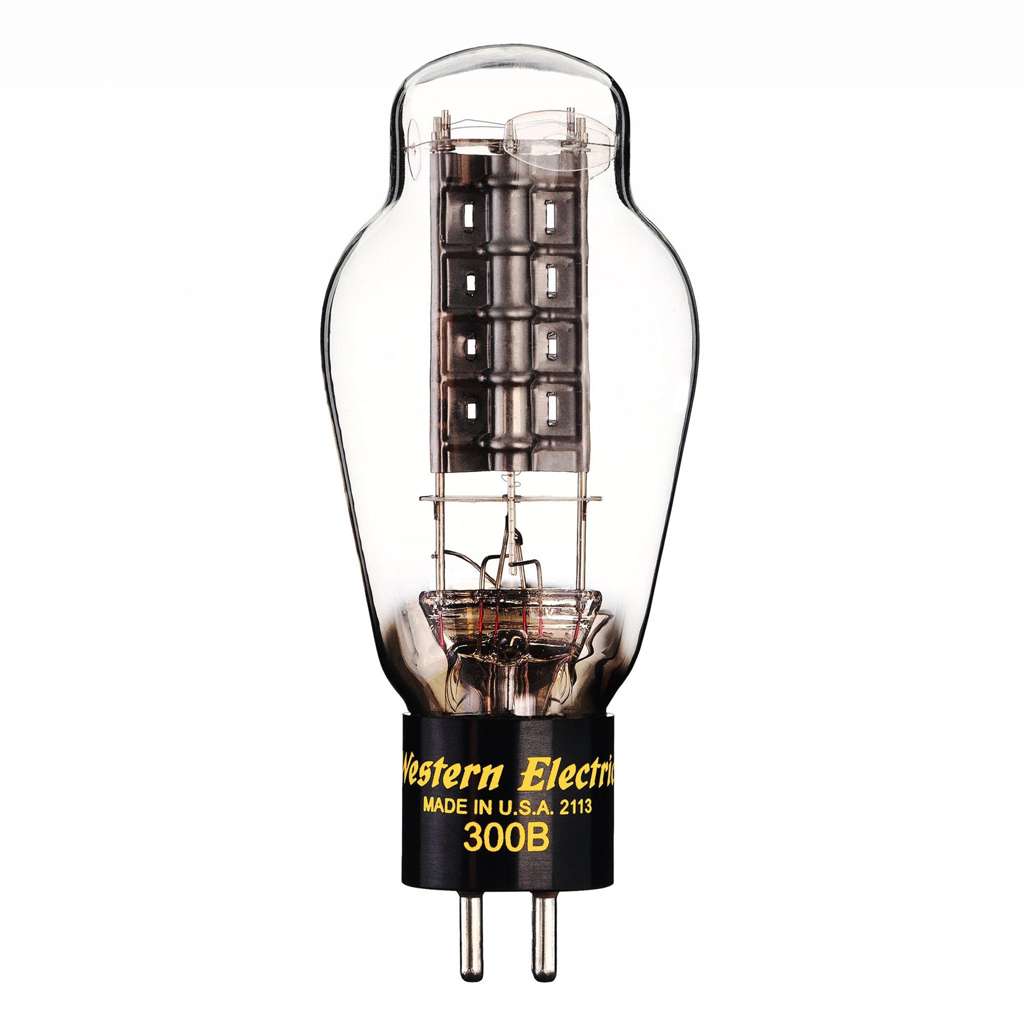
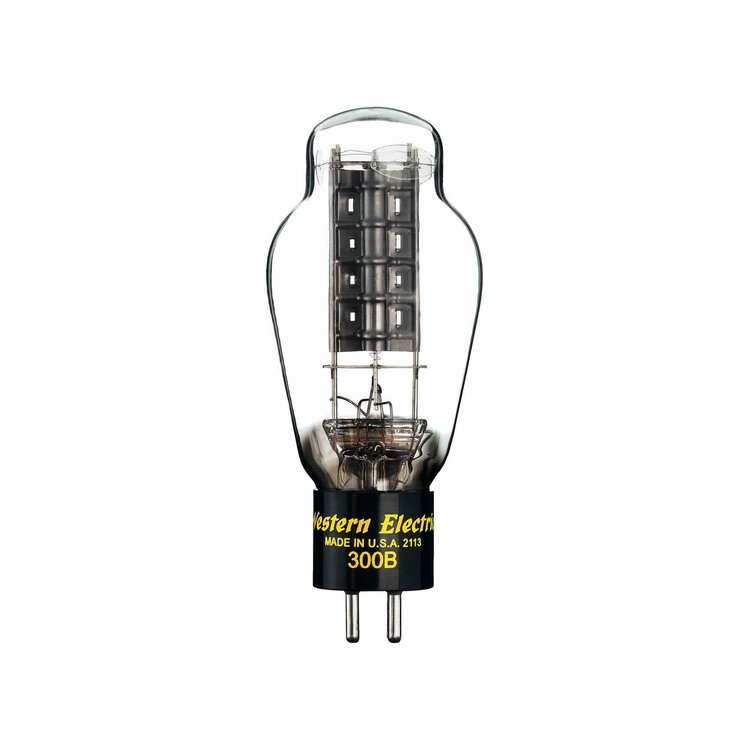
Western Electric 300B triode tube
The Western Electric 300B, a classic directly heated triode tube revered for its sonic purity and linearity

The Pentode & Beam Tetrode: The Quest for Power

To overcome the power limitations of the triode, engineers introduced additional grids. The pentode adds two more: a screen grid and a suppressor grid. The beam tetrode, such as the KT88 or 6L6GC, uses carefully aligned grids and beam-forming plates to achieve a similar effect. The most important of these additions for our discussion is the screen grid (Grid 2), placed between the control grid and the plate.

By applying a stable, high positive voltage to the screen grid, it acts as an electrostatic shield, isolating the control grid from the plate and dramatically accelerating the electrons toward the plate. This innovation had a profound effect: it massively increased the tube';s efficiency and power output . However, this quest for power came with trade-offs. Pentodes and beam tetrodes are inherently less linear than triodes, producing more distortion and having a much higher internal output impedance. It is this powerful yet compromised nature of the pentode that set the stage for the development of Triode and Ultralinear modes as ways to tame and refine its performance.
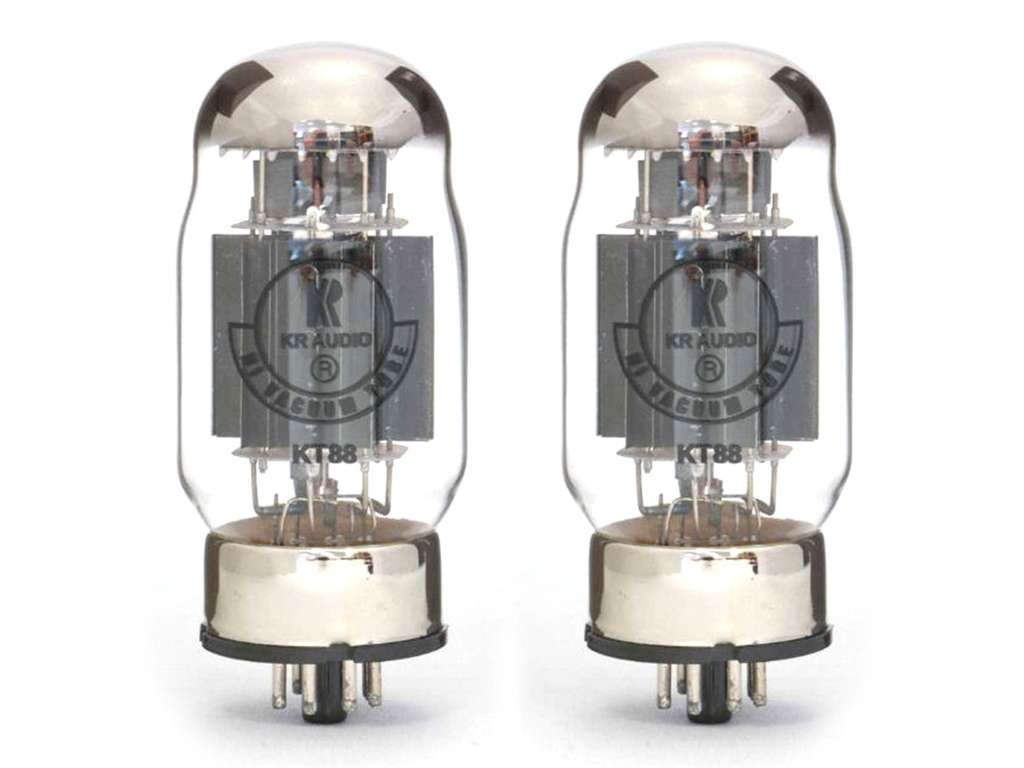
KR Audio KT88 vacuum tubes
The KT88, a powerful beam tetrode tube, whose complex grid structure allows for high power output and versatile operation in modes like Ultralinear and Triode

The Contenders: Defining the Operating Modes

The ability to operate a pentode or beam tetrode in either Triode or Ultralinear mode stems from how its screen grid is connected. This single wiring choice fundamentally alters the tube's behavior and sonic signature.

Triode Mode: The Path of Purity

The simplest way to refine the sound of a pentode is to make it behave like its simpler ancestor. This is achieved through a configuration known as ";triode-strapping."

Technical Configuration

In Triode mode, the screen grid of the pentode/tetrode is connected directly to its plate (anode), often through a small-value resistor to prevent oscillation . This effectively ties the screen grid';s voltage directly to the plate's voltage. The suppressor grid (in a pentode) is typically connected to the cathode.

Core Principle

By strapping the screen to the plate, the screen grid no longer holds a stable, high DC voltage. Instead, its voltage fluctuates in perfect lockstep with the audio signal present on the plate. This forces the complex five-element tube to mimic the electrical characteristics of a three-element triode. It inherits the triode's high linearity and low output impedance, but also its low efficiency and power output . In essence, you are trading the pentode's raw power for the triode's sonic refinement.

Ultralinear (UL) Mode: The "Best of Both Worlds"?

If Triode mode represents a return to classic simplicity, Ultralinear mode is a clever and sophisticated compromise, born from a desire to have the best of both worlds.

Historical Context

The Ultralinear circuit was devised and patented in 1951 by two American engineers, David Hafler and Herbert Keroes. In a seminal paper published in *Audio Engineering* magazine, they outlined a new method of operating pentode tubes that aimed to cure the ills of both pure triode and pure pentode operation . They sought a middle ground that could offer the power of a pentode with the low distortion and low output impedance of a triode.

Technical Configuration

Instead of connecting the screen grid to a steady DC supply (pentode mode) or directly to the plate (triode mode), the Ultralinear configuration connects the screen grid to a specific tap on the primary winding of the output transformer. This tap is typically located at a point that represents 40% to 43% of the primary winding';s turns . This is why a high-quality output transformer designed specifically for UL operation is absolutely essential.

Core Principle

This configuration creates a unique form of localized feedback. Because the screen grid is connected partway up the transformer primary, it receives a certain percentage (e.g., 40%) of the plate';s output signal swing. This signal is in anti-phase to the input signal at the control grid. This feedback simultaneously lowers the tube's gain, distortion, and output impedance, pushing its characteristics away from the pentode profile and towards the triode profile. Hafler and Keroes argued that this wasn't just a simple compromise, but a new, "ultra-linear" operating point that could potentially offer performance superior to both extremes .

Key Takeaways: Defining the Modes

  • Triode Mode: Achieved by connecting the screen grid to the plate. It forces a pentode to behave like a triode, prioritizing low distortion and linearity at the expense of power.
  • Ultralinear Mode: Achieved by connecting the screen grid to a special tap on the output transformer. It creates a hybrid mode with characteristics between a triode and a pentode, aiming for high power with low distortion.

Head-to-Head: The Ultimate Comparison of Triode vs. Ultralinear

With the technical foundations established, we can now directly compare how these two modes perform in the areas that matter most to an audiophile: power, sound, distortion, and speaker control.

Power Output & Headroom

This is the most straightforward and dramatic difference between the two modes. In the contest of raw power, Ultralinear is the undisputed champion.

An amplifier switched from Triode to Ultralinear mode will often see its maximum power output double. For example, the popular Cary SLI-80 integrated amplifier is rated at 40 watts per channel in Triode mode, but a formidable 80 watts per channel in Ultralinear mode . Measurements of other well-known amplifiers confirm this trend:

  • Manley Stingray iTube: 18W (Triode) vs. 30W (UL) into 8 ohms.
  • Manley Mahi Monoblocks: 20W (Triode) vs. 40W (UL).
  • PrimaLuna EVO 400: 37W (Triode) vs. 67W (UL) into 4 ohms.

The implication for the listener is significant. Higher power translates to greater headroom—the ability of an amplifier to handle sudden musical peaks (like a cymbal crash or a powerful drum hit) without distorting or ";clipping." Ultralinear mode is therefore far better suited for driving inefficient, low-sensitivity speakers, for filling large rooms with sound, or for listeners who enjoy high volume levels and the unrestricted dynamics of large-scale music.

Sonic Signature & Musical Presentation

Beyond the numbers, the choice between Triode and Ultralinear profoundly affects the character and "feel" of the music. This is where listener preference becomes paramount, as each mode presents a distinct and valid interpretation of the audio signal.

Triode: The Sound of Intimacy and Nuance

Listeners and reviewers consistently use a specific vocabulary to describe the sound of Triode mode. Words like "sweet," "smooth,"; "liquid," and "holographic" appear frequently. One listener on the diyAudio forum notes that with his KT88 tubes, "triode mode is more smooth" . Another on the Audiogon forum elaborates:

"Triode will sacrifice the power for a greater sense of dimension, space and textural nuance. Ultra linear leaves me with the impression of sitting much further back in the performance, while triode brings me in closer and gives me a better sense of where the instruments are on stage."

Triode mode excels at rendering the subtle details, textures, and micro-dynamics that create a sense of realism and presence. It tends to create a deep, three-dimensional soundstage where instruments and vocalists have a palpable, ";in-the-room" quality. This makes it a favorite for genres that thrive on intimacy: vocals, jazz quartets, chamber music, and acoustic performances.

Ultralinear: The Sound of Energy and Authority

The sonic signature of Ultralinear mode is one of power and control. It is often described as "punchy," ";dynamic," ";vibrant," and "energetic." It delivers music with a greater sense of force and impact. One listener describes the sound as "vibrant and full of sparkle," noting that "cymbals sound wonderful" . Another notes that UL mode has "loads of energy and punch."

This presentation gives Ultralinear an edge with high-energy music. It can handle the scale and complexity of a full orchestra, the driving rhythm of a rock band, or the deep bass lines of electronic music with an authority that Triode mode can struggle to match. The bass is often perceived as tighter and more impactful, and the high frequencies can have more "sparkle" and excitement.

Distortion & Linearity

The discussion of distortion is where things become more complex and nuanced. The common wisdom holds that triodes are simply more linear and have lower distortion.

A triode's characteristic curves—the graphs that show its response—are more evenly spaced and parallel than a pentode';s, indicating a more linear (and thus lower distortion) amplification process . Furthermore, the distortion a triode does produce is dominated by the simple and musically pleasant second-order harmonic, which can add a sense of warmth and richness. Pentodes, in contrast, produce a more complex mix of higher-order harmonics (3rd, 5th, etc.), which can sound harsher to the human ear.

Ultralinear mode, through its feedback mechanism, significantly reduces this pentode-like distortion. The original Hafler and Keroes paper claimed that at an optimal tap point (around 43%), distortion could be even lower than in triode mode. Some data supports this, with datasheets for tubes like the EL84 showing total harmonic distortion (THD) and intermodulation distortion (IMD) values for Ultralinear that are lower than for either pure pentode or triode operation .

However, the real-world implementation is key. The quality of the output transformer is paramount. Furthermore, some modern designs may alter the amount of global negative feedback when switching modes. For instance, a review of the EAT E-Glo i amplifier noted that to compensate for the gain loss in triode mode, the designers reduced the negative feedback, which actually resulted in slightly *higher* measured distortion in triode mode compared to UL mode . This highlights that one cannot make a blanket statement; the final distortion profile is a product of the entire amplifier design, not just the operating mode itself.

Output Impedance & Damping Factor

Output impedance is a measure of how "stiff" the amplifier's output is—its ability to act as a pure voltage source. A lower output impedance is generally better, as it allows the amplifier to exert more control over the speaker.

This control is quantified by the Damping Factor, which is the ratio of the speaker's impedance to the amplifier's output impedance. A higher damping factor means the amplifier can better control the speaker's woofer, forcing it to stop moving when the signal stops. This leads to tighter, more articulate, and less "boomy" bass.

  • Triode Mode: Characterized by a naturally low output impedance and thus a high damping factor. This contributes to its reputation for well-defined, articulate bass and excellent speaker control .
  • Ultralinear Mode: Has a higher output impedance than triode mode (though much lower than pentode mode). This results in a lower damping factor. The effect on bass can be speaker-dependent, sometimes sounding slightly looser or fuller, which may or may not be desirable depending on the system and listener preference.

Key Takeaways: Head-to-Head Comparison

Attribute Triode Mode Ultralinear Mode
Power Output Low (e.g., 20-40W) High (e.g., 40-80W), often double the Triode power
Sonic Character Sweet, smooth, liquid, holographic, detailed Punchy, dynamic, vibrant, powerful, energetic
Best For Vocals, jazz, acoustic, intimate music Rock, orchestral, complex music, high volumes
Distortion Inherently low, musically consonant (2nd order) Low (compromise), highly dependent on transformer quality
Damping Factor High (tighter bass control) Lower (fuller, potentially looser bass)

Practical Considerations for the Audiophile

Understanding the technical differences is one thing; applying that knowledge to your own system and listening habits is another. Here are some practical factors to consider.

Which Mode is Right for My System?

The "best" mode is not absolute; it's relative to your other components and your personal taste.

  • Based on Speakers: This is the most critical factor. If you own speakers with low sensitivity (typically rated below 88dB), the high power of Ultralinear mode is almost a necessity to drive them properly and avoid clipping. Conversely, if you have high-sensitivity speakers (e.g., 95dB or higher), they require very little power, giving you the freedom to enjoy the subtle nuances of the lower-powered Triode mode without compromise.
  • Based on Music Taste: Your music library is a strong guide. If you spend most of your time listening to intimate vocal performances, small jazz ensembles, or acoustic folk, the holographic soundstage and textural detail of Triode mode will likely be more rewarding. If your playlists are filled with Led Zeppelin, Mahler symphonies, or Daft Punk, the power, punch, and dynamic headroom of Ultralinear mode will bring that music to life.
  • The Luxury of Choice: Fortunately, many modern integrated amplifiers, like the Willsenton R8, include a simple switch on the unit or remote control that allows the user to toggle between Triode and Ultralinear modes on the fly . This offers the ultimate flexibility, allowing you to choose the mode that best suits the specific album, track, or even your mood at that moment.
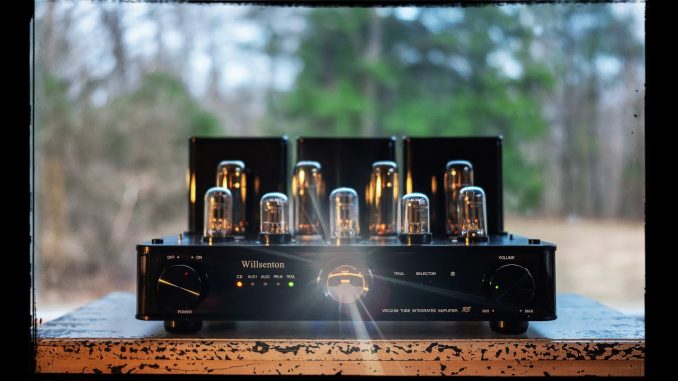
Willsenton R8 tube amplifier
Modern amplifiers like the Willsenton R8 often feature a switch to toggle between Triode and Ultralinear modes, offering listeners the best of both worlds

The Impact on Tube Longevity

A common question among tube amp owners is whether one mode wears out the expensive output tubes faster than the other. The prevailing wisdom, supported by amplifier designers, is that there should be no significant difference in tube life expectancy.

In a well-designed amplifier, the key parameters that affect tube wear—the plate voltage, screen voltage, and bias current—are set to be very similar in both modes. As one expert on the Dynaco Tube Audio forum explains, ";Voltages on the screens and the plate will be basically unchanged and the bias point will be pretty much the same... The B+ voltage is also basically the same no matter which mode you have the amp set in" . Therefore, under identical listening conditions, a tube should last just as long in either mode.

There is, however, a practical nuance. If you are consistently pushing the amplifier to its volume limits to achieve a desired loudness, doing so in the lower-powered Triode mode will drive the tubes into clipping and saturation much earlier and more often. This state of being constantly overdriven could arguably be more stressful on the tubes than running the amplifier at the same volume in the higher-powered UL mode, where it would still have plenty of headroom. An amp running hard in Triode mode may run hotter than the same amp running comfortably in UL mode at the same sound pressure level .

The Critical Role of the Output Transformer

It is impossible to overstate the importance of the output transformer (OPT) in this discussion, especially for Ultralinear operation. The OPT is arguably the most critical, complex, and expensive component in a tube amplifier after the tubes themselves. Its job is to take the high-voltage, low-current signal from the tubes and convert it into a low-voltage, high-current signal suitable for driving speakers.

For Ultralinear mode, the OPT's job is even more complex. The performance of the UL circuit is entirely dependent on the quality of the transformer's windings and the precise placement of the screen taps. A poorly designed transformer with improperly placed taps or poor coupling between the screen and plate windings will fail to realize the benefits of the UL circuit, resulting in compromised performance that may sound inferior to both triode and pure pentode modes . As one source puts it, "Transformers are the loose cannons of an amplifier's design." This is why high-quality tube amplifiers, especially those offering a well-implemented Ultralinear mode, invest heavily in custom-wound, oversized output transformers.
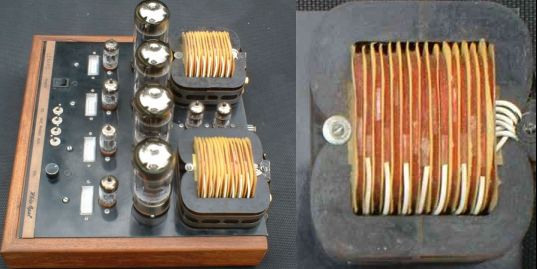
Tube amplifier chassis and output transformer
The output transformer (right) is a critical component whose quality and design, including the placement of screen taps, dictates the performance of the Ultralinear circuit

Conclusion: The Power of Personal Preference

The debate between Triode and Ultralinear operation is not a battle with a single winner. It is a classic engineering trade-off, a balance of competing virtues. The choice encapsulates the very essence of high-fidelity audio, where technical specifications and subjective experience intertwine.

To summarize the central conflict: Triode mode offers a path of sonic purity, delivering unparalleled nuance, textural detail, and a holographic soundstage, but at the significant cost of power and dynamic headroom. Ultralinear mode provides that missing power, serving up a punchy, authoritative, and dynamic presentation that can drive almost any speaker with ease, with a slight sacrifice in the ultimate refinement and intimacy of the triode sound.

Ultimately, there is no universally "better" mode. The ideal choice is deeply subjective and depends entirely on the listener's priorities. It is a decision guided by your speakers, your room, your musical tastes, and what you, personally, value most in the reproduction of sound. Do you crave the feeling of a singer standing in your room, or the physical impact of a kick drum? Do you want to hear every subtle breath, or feel the full force of a symphony orchestra?

The very existence of this choice is a testament to the ingenuity and versatility of classic tube amplifier design. It provides a powerful tool for audiophiles to tailor the sound of their system to their exact preferences. If you ever have the opportunity to audition an amplifier with this feature, be sure to explore both modes extensively. In the end, the only "right" answer is the one that sounds best to your own ears and connects you more deeply to the music you love.

References

[4]
Tube Amplifiers Explained, Part 9: Screen Voltage and Ultralinear ...
https://www.analogethos.com/post/screen-ultralinear
[7]
[10]
Triode vs. ultralinear - AudioCircle
https://www.audiocircle.com/index.php?topic=53540.0
[11]
Ultra Linear Output Transformers
https://www.r-type.org/articles/art-140.htm
[12]
[PDF] 10.5.14 Pentode/Triode/Ultralinear Pentodes are at work in the ...
https://www.gitec-forum-eng.de/wp-content/uploads/2019/02/poteg-10-05-14-triode-pentode-ul.pdf
[13]
[15]
Technical White Paper#2 Triad Topology - Amplifier - Scribd
https://www.scribd.com/doc/6568061/Technical-White-Paper-2-Triad-Topology
[16]
Tube Amplifiers Explained, Part 9: Screen Voltage and Ultralinear ...
https://www.analogethos.com/post/screen-ultralinear
[17]
The Tube CAD Journal,Ultra-Linear Output Stages
https://www.tubecad.com/january2000/page4.html
[19]
[21]
[22]
The Ultra-Linear Power Amplifier - An adventure between triode and ...
https://linearaudio.net/ultra-linear-power-amplifier-adventure-between-triode-and-pentode
[24]
40 Watt Ultra Linear Monoblock Amplifier. - Angelfire
https://www.angelfire.com/electronic/funwithtubes/Amp-Monoblock_UL.html
[25]
[26]
A guide to tube amplifiers - The Vinyl Factory
https://www.thevinylfactory.com/features/a-guide-to-tube-amplifiers
[28]
6L6 – KT88 PP Tube Amplifier | Parts Express Project Gallery
https://projectgallery.parts-express.com/speaker-projects/6l6-kt88-pp-tube-amplifier/
[29]
Triode or Ultralinear, again [Archive] - The Art of Sound Forum
https://theartofsound.net/forum/archive/index.php/t-63801.html
[31]
Triode or Ultralinear, again [Archive] - The Art of Sound Forum
https://theartofsound.net/forum/archive/index.php/t-63801.html
[32]
[33]
[35]
Is Ultra Linear the Way to Go For Hi Fi? - Page 2 - The Amp Garage
https://ampgarage.com/forum/viewtopic.php?t=22507&start=15
[36]
KT88 tube design considerations | GroupDIY Audio Forum
https://groupdiy.com/threads/kt88-tube-design-considerations.87904/
[37]
[40]
Output Stages (with a headphone focus) - wauwatosa tube factory
https://wtfamps.com/headphone-output-stages/
[41]
Tube Amplifiers Explained, Part 8: Output Stage and Pentode Tubes
https://www.analogethos.com/post/output-stage-pentode
[42]
[43]
[PDF] 10.5.14 Pentode/Triode/Ultralinear Pentodes are at work in the ...
https://www.gitec-forum-eng.de/wp-content/uploads/2019/02/poteg-10-05-14-triode-pentode-ul.pdf
[45]
[46]
Manley Laboratories Mahi Mono Amplifiers: Measurements
https://www.soundstagenetwork.com/measurements/manley_mahi/
[49]
EAT E-Glo i Integrated Tube Amp Triode Or Ultralinear? - Hi-Fi News
https://www.hifinews.com/content/eat-e-glo-i-integrated-tube-amp-triode-or-ultralinear

Thursday, August 7, 2025

Building Audio Amplifiers with Germanium Transistors: A Journey into Vintage Electronics

Building Audio Amplifiers with Germanium Transistors: A Journey into Vintage Electronics

Published by IWISTAO

When most electronics enthusiasts think about building amplifiers today, silicon transistors and integrated circuits dominate the conversation. However, there's something uniquely satisfying about working with germanium transistors – the workhorses of early semiconductor technology that helped launch the transistor revolution in the 1950s and 1960s. In this comprehensive guide, we'll explore how to design and build an audio amplifier using these fascinating vintage components.

Understanding Germanium Transistors

What Makes Germanium Special?

Germanium transistors were the first commercially viable bipolar junction transistors (BJTs), preceding their silicon counterparts by several years. These devices exhibit several distinctive characteristics that set them apart from modern silicon transistors:

Key Characteristics:

  • Lower forward voltage drop: Germanium diodes typically have a forward voltage of about 0.2-0.3V compared to silicon's 0.7V
  • Higher leakage current: Germanium transistors exhibit significantly higher collector-base leakage current (ICBO)
  • Temperature sensitivity: More susceptible to thermal runaway than silicon devices
  • Lower maximum operating temperature: Typically limited to around 85°C compared to silicon's 150°C+
  • Unique sonic character: Many audiophiles claim germanium devices impart a "warmer" sound

Common Germanium Transistor Types

For audio applications, several germanium transistor types remain popular:

  • 2N404/2N404A: PNP general-purpose transistors, excellent for audio
  • OC71/OC72: European PNP transistors, widely used in vintage designs
  • 2N1307: PNP medium-power transistor suitable for output stages
  • AC128: PNP transistor popular in European audio circuits

Historical Context and Modern Relevance

The Golden Age of Germanium

From 1947 to the mid-1960s, germanium ruled the semiconductor world. Bell Labs' first transistor was made from germanium, and virtually all early transistor radios, amplifiers, and electronic devices relied on these components. Companies like Philips, Mullard, and RCA produced millions of germanium transistors that powered everything from hearing aids to early computers.

Why Germanium Still Matters Today

Despite being largely superseded by silicon technology, germanium transistors maintain relevance for several reasons:

  1. Historical reproduction: Restoring vintage equipment requires period-correct components
  2. Unique audio characteristics: Many guitarists and audiophiles prefer the sound of germanium-based circuits
  3. Educational value: Understanding germanium devices provides insight into semiconductor physics and early circuit design
  4. Specialty applications: Some modern designs specifically exploit germanium's unique properties

Basic Amplifier Design Principles

Single-Stage Common Emitter Amplifier

The foundation of most germanium amplifier designs is the common emitter configuration, which provides both voltage and current gain. Let's examine the basic topology:

VCC (+9V)
 |
 R1 (10kΩ)
 |
 +---- OUTPUT
 |
 C   
B|---E  Q1 (2N404A)
 |
 R2 (1kΩ)
 |
 GND

Biasing Considerations for Germanium

Proper biasing is crucial for germanium transistors due to their high leakage current and temperature sensitivity. The collector-base leakage current (ICBO) can be 10-100 times higher than equivalent silicon devices, significantly affecting bias stability.

Critical biasing factors:

  • Use voltage divider biasing with low-impedance bias networks
  • Account for ICBO in bias calculations
  • Consider temperature compensation techniques
  • Implement DC coupling carefully due to voltage offset variations

Step-by-Step Amplifier Construction

Project: Single-Stage Audio Amplifier

Let's build a practical single-stage audio amplifier using a 2N404A germanium PNP transistor.

Circuit Design

Our amplifier will feature:

  • Input impedance: ~2kΩ
  • Voltage gain: ~20dB
  • Output impedance: ~500Ω
  • Frequency response: 50Hz - 15kHz

Schematic Analysis

INPUT ----C1----+
               |
               R1
               |
VCC-----------R2----+----C3----OUTPUT
 |                  |
 |           Q1(2N404A)
 |               |
 +----R3---------+
 |               |
 C2              R4
 |               |
GND-----------GND

Component Values:

  • C1: 10µF (input coupling)
  • C2: 100µF (power supply decoupling)
  • C3: 22µF (output coupling)
  • R1: 47kΩ (base bias)
  • R2: 10kΩ (collector load)
  • R3: 22kΩ (bias stability)
  • R4: 2.2kΩ (emitter resistor)
  • Q1: 2N404A (germanium PNP)

Construction Steps

Step 1: Prepare the Circuit Board

Start with a small piece of perfboard or stripboard. The compact layout is important for minimizing noise and parasitic capacitance.

Step 2: Install the Transistor

Mount the 2N404A transistor first, paying careful attention to pinout. For TO-1 metal can packages:

  • Case connects to collector
  • The tab indicates emitter
  • Base is the remaining pin

Step 3: Add Resistors

Install resistors in order of increasing value to avoid confusion. Use 1% metal film resistors for best performance and stability.

Step 4: Install Capacitors

Use high-quality capacitors:

  • Tantalum or aluminum electrolytic for C1 and C3
  • Low-ESR electrolytic for C2

Step 5: Wiring and Connections

Keep wire lengths short to minimize noise pickup. Use shielded cable for input connections if needed.

Component Selection and Considerations

Choosing Germanium Transistors

When selecting germanium transistors for audio applications, consider these factors:

Gain (hFE): Look for devices with hFE between 50-150. Higher gain transistors may be more prone to oscillation.

Leakage Current: Measure ICBO at room temperature. Values above 50µA may cause bias stability issues.

Matching: For differential pairs or push-pull configurations, match transistors for hFE and ICBO within 10%.

Supporting Components

Resistors: Use 1% tolerance metal film resistors for critical bias components. Carbon composition resistors can add vintage character but may introduce noise.

Capacitors:

  • Input/output coupling: Use film capacitors (polyester or polypropylene) for best audio performance
  • Power supply decoupling: Low-ESR aluminum electrolytic capacitors

Power Supply: Clean, well-regulated DC supply. Germanium circuits are more sensitive to supply noise than silicon equivalents.

Circuit Analysis and Calculations

DC Analysis

For our example circuit, let's calculate the operating point:

Assumptions:

  • VCC = 9V
  • hFE = 80 (typical for 2N404A)
  • ICBO = 10µA
  • VBE = 0.2V (germanium)

Base voltage calculation:
VB = VCC × R3/(R1 + R3) = 9V × 22kΩ/(47kΩ + 22kΩ) = 2.87V

Emitter voltage:
VE = VB - VBE = 2.87V - 0.2V = 2.67V

Emitter current:
IE = VE/R4 = 2.67V/2.2kΩ = 1.21mA

Collector current:
IC ≈ IE = 1.21mA

Collector voltage:
VC = VCC - (IC × R2) = 9V - (1.21mA × 10kΩ) = -3.1V

AC Analysis

Input impedance:
Zin = R1 || R3 || (hFE × R4) = 47kΩ || 22kΩ || (80 × 2.2kΩ) ≈ 2.1kΩ

Voltage gain:
Av = -R2/R4 = -10kΩ/2.2kΩ ≈ -4.5 (13dB)

Output impedance:
Zout ≈ R2 = 10kΩ

Construction Tips and Best Practices

Layout Considerations

  1. Ground plane: Use a solid ground plane or star grounding to minimize noise
  2. Component placement: Keep the transistor away from heat sources
  3. Lead dress: Route input and output leads away from each other to prevent feedback
  4. Shielding: Consider metal enclosure for RF immunity

Handling Germanium Transistors

Germanium transistors require special care:

  • Static sensitivity: While less ESD-sensitive than modern devices, use basic anti-static precautions
  • Thermal shock: Allow components to reach room temperature before handling
  • Lead forming: Make bends gradually to avoid crystal damage
  • Storage: Keep in anti-static foam or tubes

Soldering Techniques

  • Use low-temperature solder (60/40 rosin core)
  • Keep iron temperature below 300°C
  • Work quickly to minimize heat exposure
  • Use heat sinks on transistor leads when necessary

Testing and Troubleshooting

Initial Checkout

Before applying power, perform these checks:

  1. Visual inspection: Verify all connections and component orientations
  2. Continuity test: Check for short circuits, especially power supply rails
  3. Resistance measurements: Verify bias resistor values

Power-On Testing

With a current-limited power supply:

  1. Quiescent current: Should be 1-2mA for our example circuit
  2. DC voltages: Measure and compare to calculated values
  3. Signal injection: Apply small AC signal and verify amplification

Common Problems and Solutions

No output signal:

  • Check transistor pinout
  • Verify coupling capacitors aren't reversed
  • Measure DC bias voltages

Distorted output:

  • Bias point may be incorrect
  • Check for thermal runaway (rising collector current over time)
  • Verify input signal level isn't too high

Oscillation:

  • Add small capacitor (100pF) across collector-base
  • Check lead dress and layout
  • Reduce high-frequency gain if necessary

Thermal instability:

  • Improve heat sinking
  • Consider temperature compensation
  • Check for excessive ambient temperature

Performance Characteristics and Limitations

Frequency Response

Germanium transistors typically have lower transition frequency (fT) compared to modern silicon devices. Expect:

  • Useful audio bandwidth: DC to 20kHz
  • 3dB rolloff: Usually above audio range for single-stage designs
  • Phase response: Generally good for audio applications

Noise Characteristics

Germanium transistors exhibit higher noise than modern silicon devices:

  • Thermal noise: Similar to silicon at room temperature
  • Shot noise: Higher due to increased leakage current
  • 1/f noise: Can be significant at low frequencies

Temperature Stability

This remains the primary limitation:

  • Thermal runaway: More prone than silicon circuits
  • Bias drift: Significant over temperature range
  • Maximum operating temperature: Limited to ~85°C

Audio Performance

Despite technical limitations, many listeners prefer germanium amplifiers for:

  • Harmonic character: Predominantly even-order harmonics
  • Compression characteristics: Gradual clipping behavior
  • Frequency response: Often has pleasing high-frequency rolloff

Advanced Techniques

Temperature Compensation

For improved stability, consider these techniques:

Thermistor compensation:
Replace part of the emitter resistance with a negative temperature coefficient thermistor.

Diode compensation:
Use germanium diodes in the bias network to track VBE temperature variations.

Thermal coupling:
Mount compensation components in thermal contact with the transistor.

Push-Pull Output Stages

For higher power output:

VCC
 |
 R1
 |
INPUT----+----Q1 (PNP)----+----OUTPUT
         |                |
         +----Q2 (NPN)----+
         |                |
         R2               |
         |                |
        GND--------------GND

Use matched complementary pairs (2N404A PNP with 2N1306 NPN).

Feedback Techniques

Implement negative feedback for:

  • Improved linearity
  • Reduced distortion
  • Better frequency response
  • Enhanced stability

Maintenance and Long-term Reliability

Expected Lifespan

Well-designed germanium circuits can operate reliably for decades:

  • Avoid temperature extremes
  • Maintain clean, stable power supplies
  • Protect from humidity and contamination

Replacement Considerations

When germanium transistors fail:

  • Source quality NOS (New Old Stock) devices
  • Consider modern germanium reproductions
  • Match replacement devices carefully
  • Some silicon substitutes available but change circuit character

Conclusion

Building amplifiers with germanium transistors offers a unique glimpse into electronics history while producing circuits with distinctive sonic characteristics. While these devices present challenges – thermal instability, higher noise, and limited availability – they reward careful design and construction with a musical quality that many find appealing.

The key to successful germanium amplifier design lies in understanding and accommodating these transistors' unique properties rather than fighting them. Proper biasing, thermal management, and component selection are crucial for reliable operation.

Whether you're restoring vintage equipment, exploring audio circuit design, or simply seeking that elusive "vintage tone," germanium transistors provide an educational and rewarding platform for experimentation. The skills learned working with these temperamental devices – careful bias design, thermal analysis, and attention to construction detail – translate directly to more advanced analog circuit design.

As we've seen, germanium transistors may be vintage technology, but they still have much to teach us about the fundamentals of semiconductor devices and analog circuit design. In an age of digital processing and integrated circuits, there's something refreshingly hands-on about building an amplifier one discrete component at a time, especially when those components helped launch the semiconductor revolution nearly 75 years ago.

So fire up your soldering iron, dust off that vintage multimeter, and dive into the fascinating world of germanium electronics. Your ears – and your understanding of analog circuit design – will thank you.

Tuesday, August 5, 2025

The FU50 Amplifier: Unpacking the "Little 300B" Legend

The FU50 Amplifier: Unpacking the "Little 300B" Legend

The FU50 Amplifier: Unpacking the "Little 300B" Legend

In an era dominated by digital precision and solid-state efficiency, the warm, glowing heart of the vacuum tube amplifier continues to captivate audiophiles. It represents a connection to the golden age of audio, a time when sound was sculpted by hand-wired circuits and glowing glass. Among the pantheon of audio tubes, some are legends, like the Western Electric 300B. Others are unsung heroes. The FU50 falls into the latter category—a rugged, military-grade pentode that has found a second life as the core of surprisingly musical and affordable Hi-Fi amplifiers, earning it the intriguing nickname: the ";little 300B."

From Battlefield to Listening Room: The Unlikely History of the FU50

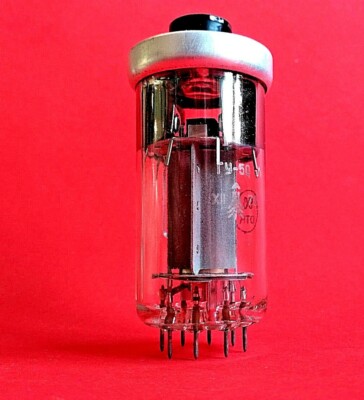
The story of the FU50 is a fascinating journey through 20th-century geopolitics and technology transfer. Its lineage begins not in an audio lab, but in wartime Germany with the Telefunken LS-50 power pentode. This robust tube was designed for radio frequency (RF) applications in military equipment. After World War II, its design was replicated in the Soviet Union as the GU-50 (ГУ-50), intended for use in military transmitters and RF amplifiers, capable of operating at frequencies up to 120 MHz. The Valve Museum notes its design was specifically for Russian mobile military equipment, featuring a distinctive top handle for quick replacement in the field.

This Soviet design and its manufacturing tooling eventually made their way to China. As discussed in forums like diyAudio, the Chinese tube industry was heavily influenced by Russian designs. The result was the FU50, a near-equivalent of the GU-50, initially produced for similar RF purposes. It was only later that the global Hi-Fi and DIY audio communities discovered its potential for high-quality sound reproduction, transforming this military workhorse into an audiophile darling.

GU-50 Vacuum Tube
The Soviet GU-50, a military-grade power pentode and the direct predecessor to the FU50

The "Little 300B": Analyzing the Sonic Signature

The FU50's reputation is built largely on its performance in audio amplifiers, particularly when wired as a triode in a single-ended configuration. This is where the "little 300B" comparison originates.

The Allure of Single-Ended Class A

Most FU50 amplifiers are single-ended Class A designs. This circuit topology is revered by audiophiles for its sonic purity. In a Class A amplifier, the output tube conducts current through the entire signal cycle, resulting in very low crossover distortion. As noted by audio experts, this design often produces a high level of even-order harmonic distortion, which the human ear perceives as musically pleasing warmth and richness. This "harmonic glow" is what gives many tube amps their signature "warm, lush, and musical" sound, making vocals and acoustic instruments feel more lifelike.

How Does It Really Sound?

User reviews and expert opinions paint a consistent picture of the FU50's sound. It's often described as having a "sweet and full warm vocal flavor." An amplifier from IWISTAO is praised for its ability to produce a sound that is "pure and delicate," with a "very strong tube taste."

However, it's not just about warmth. One experienced user on a diyAudio forum offered a compelling counterpoint, describing their FU50 amp in the highest terms of neutrality:

Like all the best amps I have ever listened to, built and/or owned, it recedes into the background. It has no character... One simply listens to the music – the amp does not “impress” the listener at all.

This suggests that while the FU50 can deliver classic tube warmth, it can also achieve a high degree of transparency, allowing the music to speak for itself without excessive coloration.

The 300B Comparison: Hype vs. Reality

The "little 300B" nickname stems from the claim that the FU50';s characteristic curves, when operated in triode mode, are very similar to those of the legendary Western Electric 300B. But does it truly measure up?

According to a detailed review on the Cheaptubeaudio blog, the FU50 gets remarkably close for its price. The reviewer notes that while a good 300B amplifier still possesses a more "organic and luscious" and "tonally sophisticated" sound, the FU50 is a formidable contender. It delivers a level of finesse that can outshine other budget single-ended amps based on tubes like the EL34 or 6L6. While it may not have the same power reserve or benign clipping characteristics as a true 300B, its performance-to-price ratio is almost unbeatable.

Western Electric 300B Tube
The legendary Western Electric 300B, the benchmark against which the FU50 is often compared

Anatomy of an FU50 Amplifier: Design and Circuitry

The appeal of FU50 amplifiers goes beyond their sound; their design, accessibility, and the culture around them are key parts of their story.

Common Circuit Topologies

Most FU50 amps use a single-ended circuit where the pentode FU50 is wired to operate as a triode. The choice of driver tube is a key design variation. Many kits and finished amps use the Soviet 6J8P (a pentode equivalent to the American 6SJ7) as a driver. This is significant because, as the Cheaptubeaudio review points out, this configuration bears a resemblance to the classic Western Electric 91A circuit, which famously used a pentode to drive the 300B triode. Another common option is the 6N8P (a double-triode equivalent to the 6SN7), which offers a different sonic flavor.

The DIY Spirit and Kit Culture

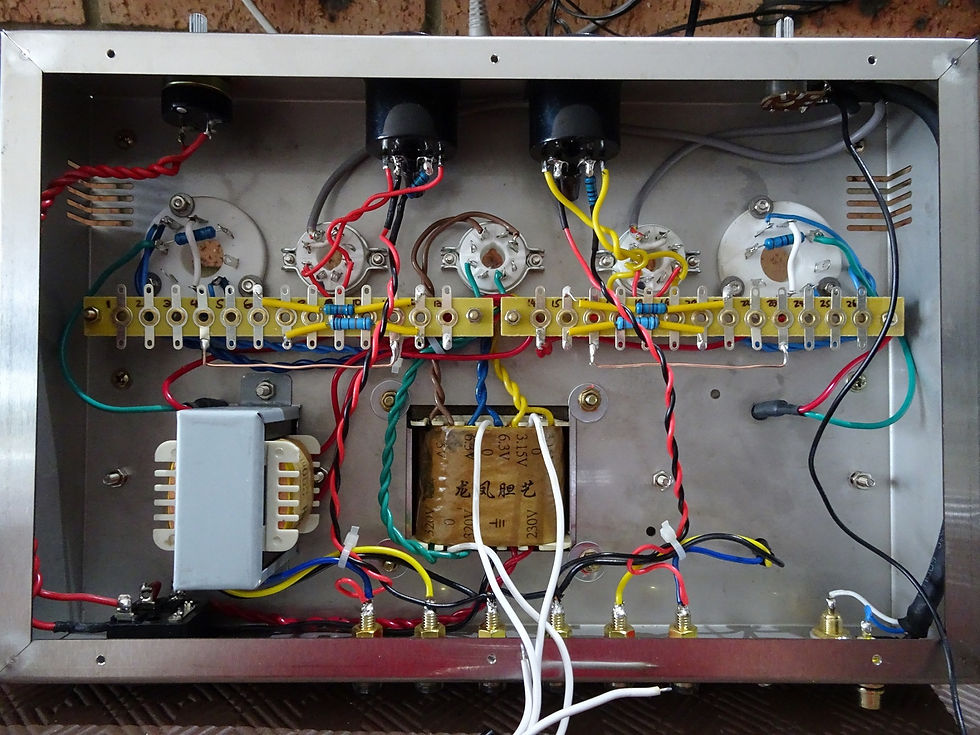
A major factor in the FU50's popularity is its embrace by the Do-It-Yourself (DIY) community. Thanks to the availability of inexpensive tubes and transformers from Chinese sources, building an FU50 amplifier is a highly accessible project. Brands like "Dragon & Phoenix" offer complete kits that include all parts and circuit diagrams.

Building from a kit can be a rewarding experience, but it's not without challenges. DIY builders often report needing to troubleshoot issues like transformer hum, which typically requires careful implementation of grounding techniques, such as a proper star earth ground, to resolve. The satisfaction of building your own high-quality tube amp, however, is a powerful motivator for many enthusiasts.

Internal wiring of a FU50 tube amplifier kit
The intricate hand-wired interior of a "Dragon & Phoenix" FU50 amplifier kit, showcasing the complexity of a DIY build

Build Quality and Features

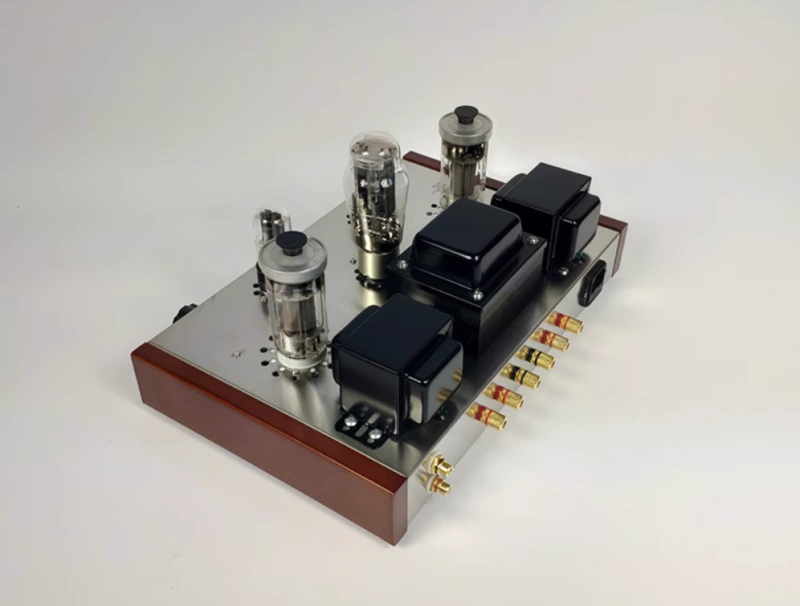
While DIY is a popular route, many commercially available FU50 amplifiers offer impressive build quality that belies their modest price. Reviewers frequently praise the "fabulous" construction of models like the BRZ FU-50, highlighting its luxurious milled aluminum chassis that surpasses many more expensive "high-end" offerings. These amplifiers are not just bare-bones circuits; modern designs often incorporate a range of features, including multiple switchable inputs for CD players, USB DACs, and even MM phono stages for turntables, making them versatile hubs for a complete audio system.

A finished FU50 tube amplifier
A finished FU50 amplifier, showcasing the high-quality build with a polished top plate and wooden side panels often found in commercial models

Getting the Most Out of Your FU50 Amp

To unlock the full potential of an FU50 amplifier, two factors are critical: speaker matching and tube selection.

The Importance of Speaker Matching

FU50 amplifiers are low-power devices, typically delivering between 8 to 13 watts per channel. This makes speaker pairing crucial. They perform best with high-sensitivity speakers (generally rated at 90 dB/watt or higher). Efficient speakers allow the amplifier to reach satisfying listening levels without being pushed into distortion. In contrast, power-hungry, low-sensitivity speakers are better suited for high-power solid-state amplifiers that can provide the necessary current and control.

Tube Rolling for Sonic Tweaks

"Tube rolling," or swapping out stock tubes for different, often vintage, alternatives, is a popular way to customize an amplifier';s sound. With an FU50 amp, changing the rectifier and driver tubes can yield significant sonic improvements. For instance, the Cheaptubeaudio review noted that replacing the stock Chinese 5Z4 rectifier with a vintage Chatham 5R4WGA resulted in a sweeter, more detailed sound. Similarly, swapping the stock FU-50 tubes for older Soviet-made versions can enhance texture and dynamics. This ability to tweak and refine the sound is a huge part of the appeal for tube enthusiasts.

Conclusion: The Verdict on the FU50 Amplifier

The FU50 amplifier is a remarkable paradox: a piece of Cold War military technology that has become a symbol of accessible, high-fidelity audio. It may not dethrone the legendary 300B, but the "little 300B" moniker is more than just marketing hype—it's a testament to the incredible sonic value this tube delivers.

For the budget-conscious audiophile, the DIY enthusiast, or anyone with efficient speakers looking for an entry point into the magical world of single-ended tube sound, the FU50 amplifier is an outstanding choice. It offers a listening experience that is pure, engaging, and deeply musical, proving that great sound doesn't always have to come with a high price tag. It has rightfully earned its place as a beloved champion in the global Hi-Fi community.

References

[2]
[4]
[5]
[6]
Fu-50 2*12w (rms) 6j8p Fu50 Tube Amplifier Stereo Single-ended ...
https://www.aliexpress.com/i/32982589478.html
[8]
Mid Trajectory 6J4/6P3P Preamp Beydas LS3/5A Clone Canare ...
https://cheaptubeaudio.blogspot.com/2022/12/mid-trajectory-6j46p3p-preamp-beydas.html
[11]
An Audio Amplifier Design Philosophy - Meta-Gizmo
https://www.meta-gizmo.org/tri/otlology/BERNINGS.htm